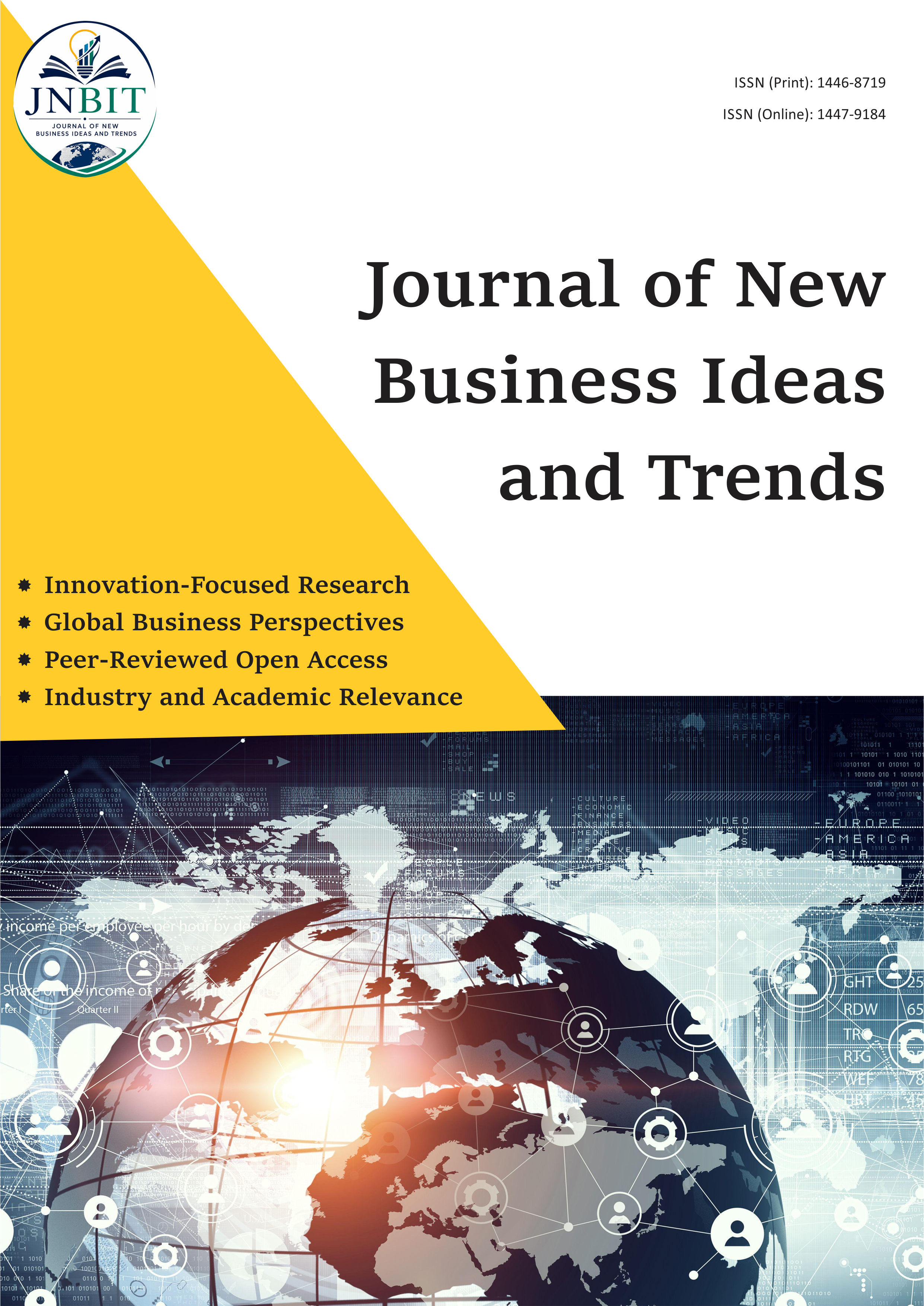
Technology has become a central element of modern organizational functioning, yet its rapid evolution has introduced new stressors that negatively affect employee performance. This research article explores how technology-related stressors—often referred to as “technostress”—influence productivity, well-being, job satisfaction, and organizational outcomes. The study synthesizes models from organizational behavior, digital transformation, and cognitive psychology to examine stressors such as techno-overload, techno-complexity, techno-invasion, techno-uncertainty, and techno-insecurity. A Technology Stress–Performance Impact Model (TS-PIM) is proposed to explain how digital stressors shape employee behavior and performance. The findings highlight significant implications for employers, system designers, HR leaders, and policymakers as organizations transition into highly digitalized workplaces.
 Creative Commons License
 Download PDF
 Download XML







 +447480266638
 +447480266638
 support@jnbitonline.org
 This work is licensed under a Creative Commons Attribution-NonCommercial-NoDerivatives (CC BY-NC-ND) license. Open Access Publication.